



When a loved one passes away, contacting the crematory is a crucial step in initiating the necessary arrangements. While this phone call may feel daunting during a time of grief, rest assured that you don’t need to have all the answers immediately. Here’s a guide to the essential information you’ll need to provide.
Basic Information about the Deceased
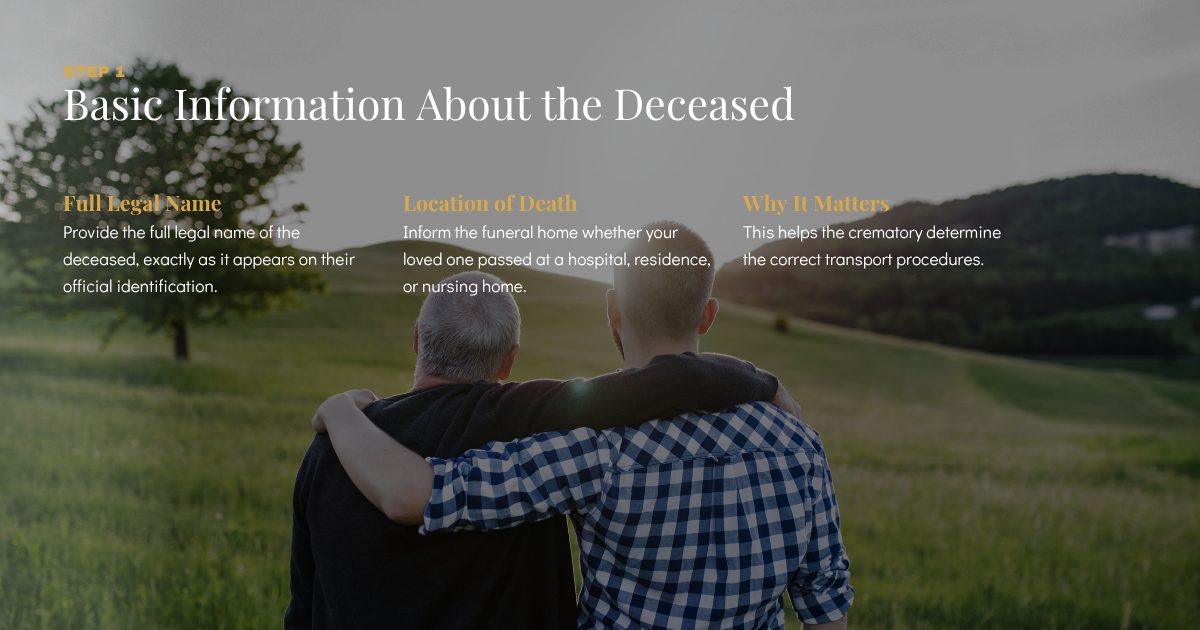
- Full Name: Provide the full legal name of the deceased.
- Location of Death: Inform the crematory of the location where your loved one passed away (e.g., hospital, residence, nursing home). This helps them determine the appropriate procedures for transporting the deceased.
Your Information
- Your Name and Relationship: Share your full name and your relationship to the deceased (e.g., spouse, child, sibling, friend).
- Contact Information: Provide a reliable phone number and address where the crematory can reach you.
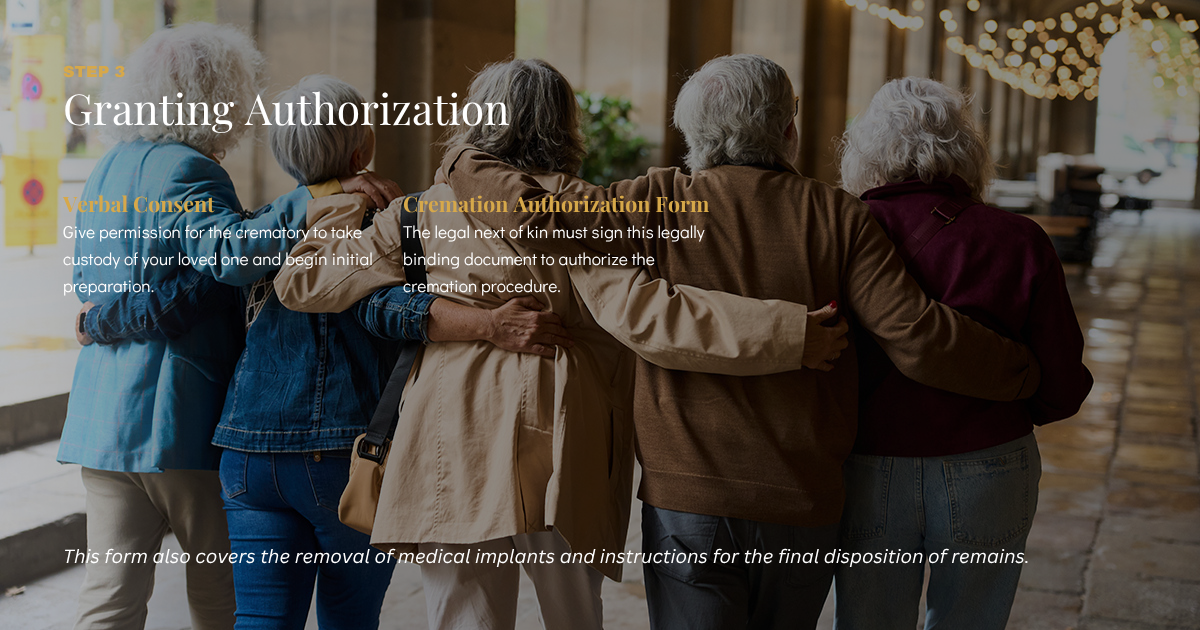
During this call, they will ask for your verbal authorization to take custody of the deceased and begin the initial preparation steps.
The Cremation Authorization Form
To begin the actual cremation process, the legal next of kin or an authorized representative must sign a Cremation Authorization Form. This legally binding document verifies the identity of the deceased and confirms your legal right to authorize the procedure. It also includes important disclosures regarding the removal of medical implants and instructions for the final disposition of the remains.
Scheduling the Arrangement Conference
The crematory director will schedule a time for you to meet and discuss these details in more depth. During this meeting, you will finalize the authorization paperwork and provide the information needed for the death certificate. These professionals are there to guide you through the process with compassion, helping you navigate the paperwork and decisions required for a respectful farewell.
Guidance and Support
Remember, we are here to guide you through this process with compassion and expertise. We will answer your questions, offer support, and help you navigate the decisions involved in planning a meaningful farewell for your loved one.
While making this initial call can be emotionally challenging, providing this essential information allows us to begin the necessary procedures and provides you with the space to begin grieving and preparing for the journey ahead.
