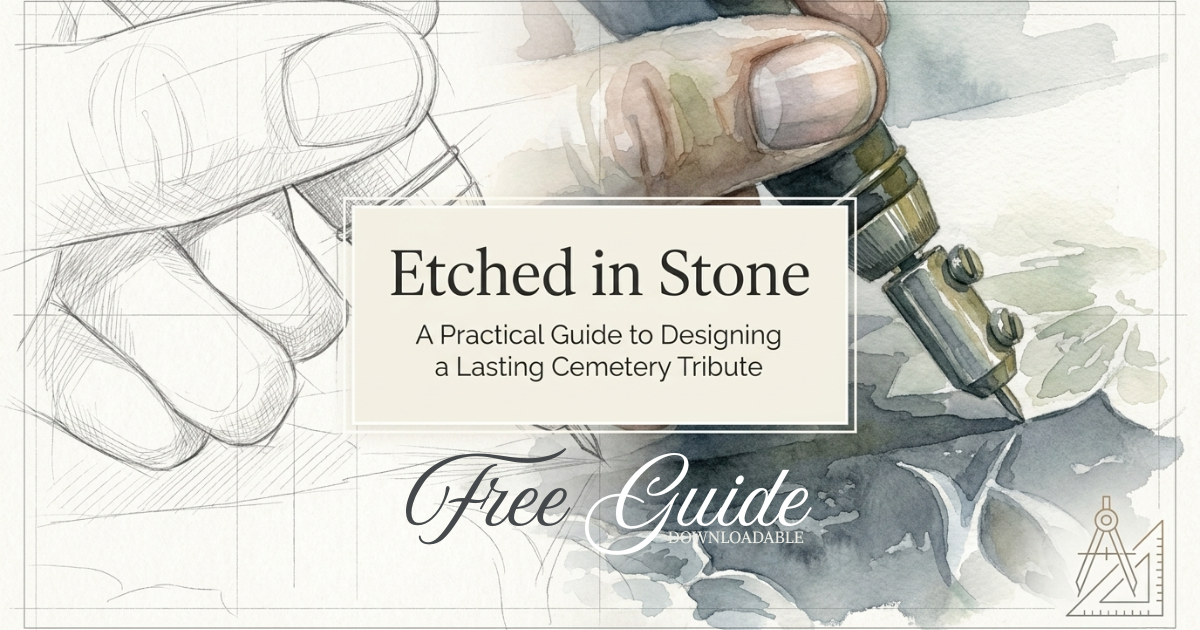
A cemetery monument is more than a marker of dates. It is a permanent touchstone, a place where memory becomes tangible. It is the final, physical testament to a life lived, a story told in stone, symbol, and inscription. The process of designing one can feel daunting, caught between the weight of grief and the desire to create something perfectly reflective of your loved one.
Yet, this process can also be a profound act of love and healing. It is an opportunity to gather with family, share stories, and collaboratively create a tribute that will stand for generations. It’s not just about choosing a material or a shape; it’s about capturing an essence—a passion, a quiet strength, a joyful laugh—and etching it into eternity.
Here is a gentle guide to approaching this meaningful task:
- Start with the Heart, Not the Stone: Before you look at catalogs, gather with family and share memories. What words best describe them? What were their passions, hobbies, or values? Was it their devotion to family, their love of gardening, or their unwavering faith? This conversation is the foundation upon which every design decision will be built.
- Understand Your Canvas: Markers vs. Monuments: Know the basic choices. A marker is a flat, ground-level stone, often simpler and more affordable. A monument is an upright headstone, offering more space for customization and presence. Your choice may be guided by cemetery regulations, budget, and the vision you have for the tribute.
- Personalize with Symbols and Stories: This is where a stone becomes a story. Consider incorporating:
- Symbolism: A dove for peace, a book for wisdom, a guitar for a love of music.
- Imagery: An engraved image of a favorite flower, a mountain landscape, or a religious icon.
- Epitaph: A line from a favorite poem, a meaningful Bible verse, or a simple, heartfelt phrase that encapsulates their spirit.
- Choose a Partner, Not Just a Provider: Work with a reputable memorial designer who listens. They should be a guide, translating your emotions and ideas into a feasible design. Ask to see their portfolio and ensure they are well-versed in your cemetery’s specific rules and regulations.
Designing a memorial is a journey. It’s okay to take your time, to sit with ideas, and to change your mind. The goal is to create a space that feels right—a place where future generations can visit and, in reading the stone, feel a connection to the person you loved so dearly.
For a detailed worksheet to help you gather ideas, compare options, and navigate the design process, download our free guide: “Etched in Stone: A Guide to Designing Monuments & Markers.”
