


The weight of grief is often described as a heavy stone we are forced to carry. But if you look closer, you might find that the stone itself isn’t the only thing making the journey so difficult. There is often a silent passenger traveling alongside us: the burden of what remained unfinished.
Grief rarely arrives in a vacuum. It comes tangled with the messy, beautiful, and sometimes fractured reality of human relationships. In honor of Global Forgiveness Day, we are invited to look at these tangles with a new sense of kindness. We are invited to consider that healing isn’t just about missing someone; it is about making peace with the story you shared.
The Release of Old Ghosts
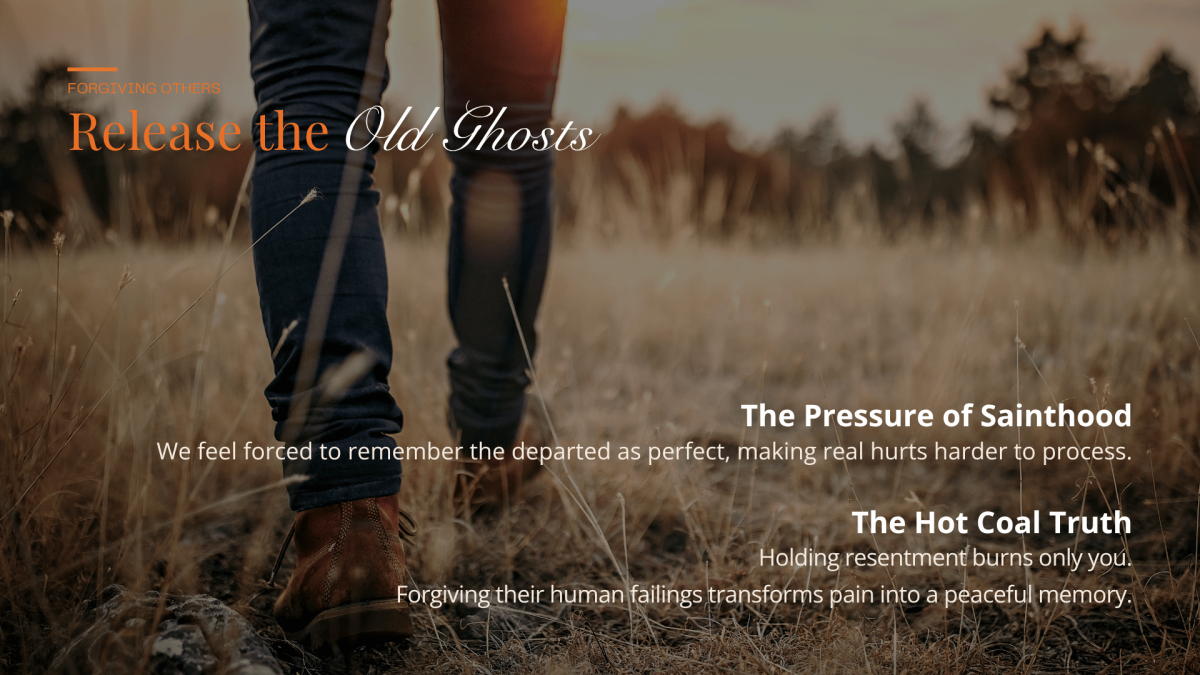
We often feel a strange pressure to remember the departed as perfect. This “sainthood” of the deceased can make it difficult to process the very real hurts that might have existed while they were here. Perhaps there were words spoken in anger, or perhaps there were years of silence that were never bridged.
Forgiving someone who is no longer here to apologize can feel impossible. However, holding onto resentment is like clutching a hot coal with the intent of throwing it at someone else; you are the one who ends up burned. Forgiving them for their human failings, or even for the act of leaving too soon, allows the relationship to evolve. It shifts from a source of active pain into a reservoir of peaceful memory.
Healing the Heart Within
While forgiving others is a challenge, forgiving ourselves is often the greatest hurdle. Many people in the wake of a loss find themselves trapped in a cycle of “if only.” If only I had called one more time. If only I had noticed the signs. If only I had stayed by their side that final night.
This self-imposed penance is a heavy cloak that prevents you from feeling the warmth of the sun. It is helpful to remember that your loved one would not want your life to be a monument to regret. They would want you to live in the light of the love you shared, not in the shadow of the things you didn’t do. Choosing to forgive yourself is the ultimate gift of honor to the person you lost.
A Choice Rather Than a Feeling
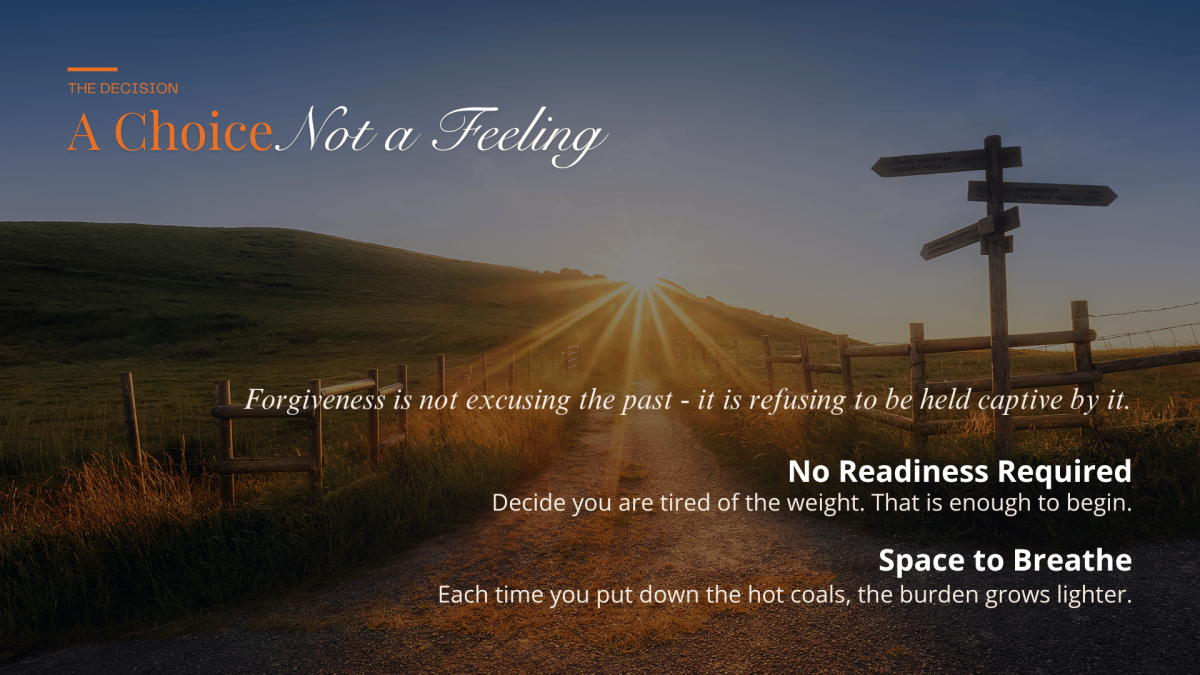
There is a common misconception that forgiveness means excusing what happened or forgetting the impact of an event. In reality, forgiveness is a mechanical choice to release a weight. You do not have to feel “ready” to forgive; you simply have to decide that you are tired of being held captive by the past.
It is a decision to stop letting old wounds dictate the rhythm of your current heartbeat. By letting go of the need for a different past, you create space for a more breathable future. This doesn’t happen all at once, but each time you consciously choose to put down the “hot coals,” the burden becomes lighter.
Rituals of Letting Go
If you find yourself struggling to start this process, consider small, private acts of release. Writing a letter to your loved one—or even to your younger self—can be incredibly cathartic. Pour out everything: the anger, the guilt, the “if onlys.” Once it is on paper, you can safely burn the letter or bury it, symbolizing the physical removal of those heavy thoughts from your mind.
You might also try a simple “release” meditation. Find a quiet space and visualize the person or the memory. Imagine a literal cord connecting you to that heavy feeling. With a deep breath, visualize that cord being gently untied. Feel the immediate lightness in your chest as the tension dissolves.
The Compass Toward Home
Grief is a journey without a set map, and some days the terrain will feel steeper than others. Forgiveness acts as the compass that keeps you from wandering in circles of regret. It points you toward a place where memories bring a smile rather than a sharp sting.
As you navigate this season, be patient with your heart. Forgiveness is not a destination you reach and never leave; it is a practice you return to whenever the weight starts to feel heavy again. Today, give yourself permission to breathe a little deeper and walk a little lighter.
