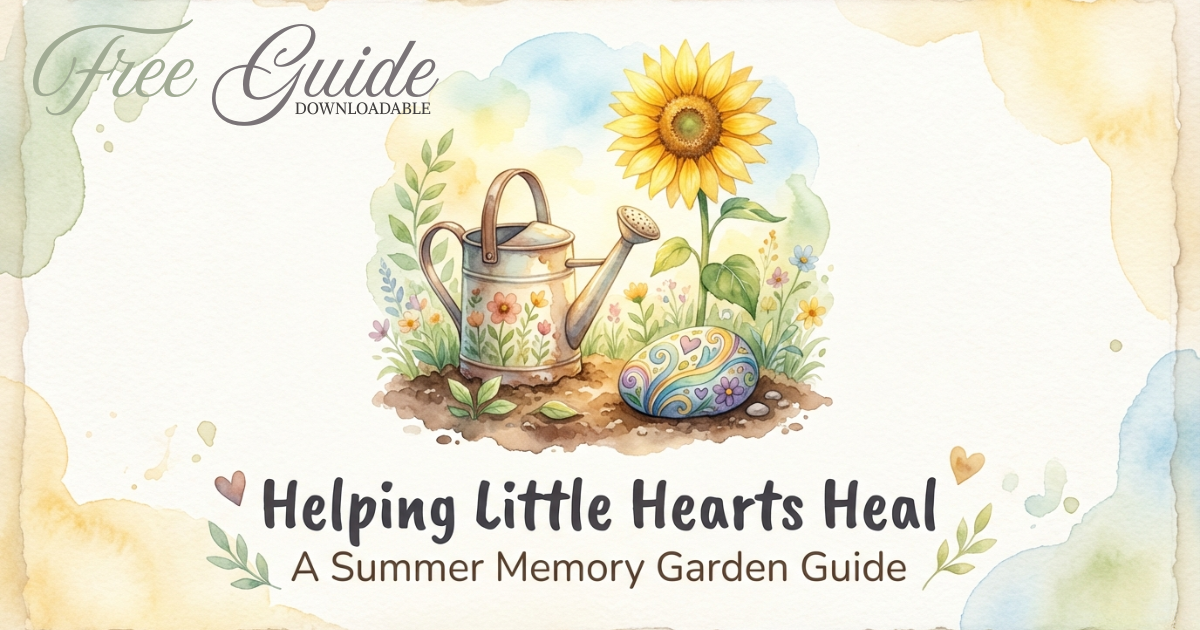
Helping Little Hearts Heal: A Summer Memory Garden Guide
Summer is often a season of sunshine and play, but for a child navigating the loss of someone special, these quiet days can feel heavy. Creating a Memory Garden offers a gentle, hands-on way for children to express their feelings and honor their loved one while witnessing the beauty of life continuing to grow.
Healing Through Hands-On Activities
Engaging in creative outdoor projects can help children process grief in a natural setting. These activities provide a physical outlet for emotions that are often difficult to put into words.
- Painted Memory Stones: Using smooth stones as a canvas allows children to create lasting art. Ask them to choose colors or symbols, like hearts or sunshine, that remind them of their loved one. Once dry, these can be placed in a special “home” in the garden.
- Planting Seeds of Hope: Watching flowers grow from tiny seeds is a powerful lesson in nature’s cycles. Wildflowers and sunflowers are perfect for kids because they are hardy and bright. Encourage your child to share a favorite memory as they plant each seed.
- Nature Scavenger Hunt: Explore a backyard or park to find items that represent different emotions, such as “something soft” for a kind word or “something strong” to represent their own bravery.
The Living Bridge and Winter Transitions
As the season changes, the fading garden provides a natural opportunity to talk about the connection between the changing seasons and our enduring memories. Explain that just as the garden must rest to prepare for spring, we hold onto love in our hearts even when the flowers are gone.
To maintain a connection through the colder months, help your child create a “Garden Treasures” Memory Jar. By collecting a few special items—like a unique pebble or a dried seed pod—and placing them in a jar with a photo or note, they can keep a piece of their summer sanctuary close all winter long.
Talking to Children About Loss
Finding the right words can feel overwhelming while you are navigating your own grief. Children often process loss in short bursts, moving quickly between deep sadness and a desire to play.
- Use Simple, Honest Language: Avoid confusing phrases like “went to sleep” or “we lost them,” which can cause anxiety. Instead, use clear explanations, such as “their body stopped working.”
- Validate Every Feeling: Let them know it is okay to feel sad, angry, or even nothing at all. Remind them that feelings can change like the weather, and that is perfectly okay.
- Follow Their Lead: You don’t have to have one “big talk.” Use gardening as a natural bridge for conversation, asking open-ended questions about what they are thinking while they work in the dirt.
By creating this space together, you teach your child that while things in nature change, love continues to grow in new and beautiful ways.
