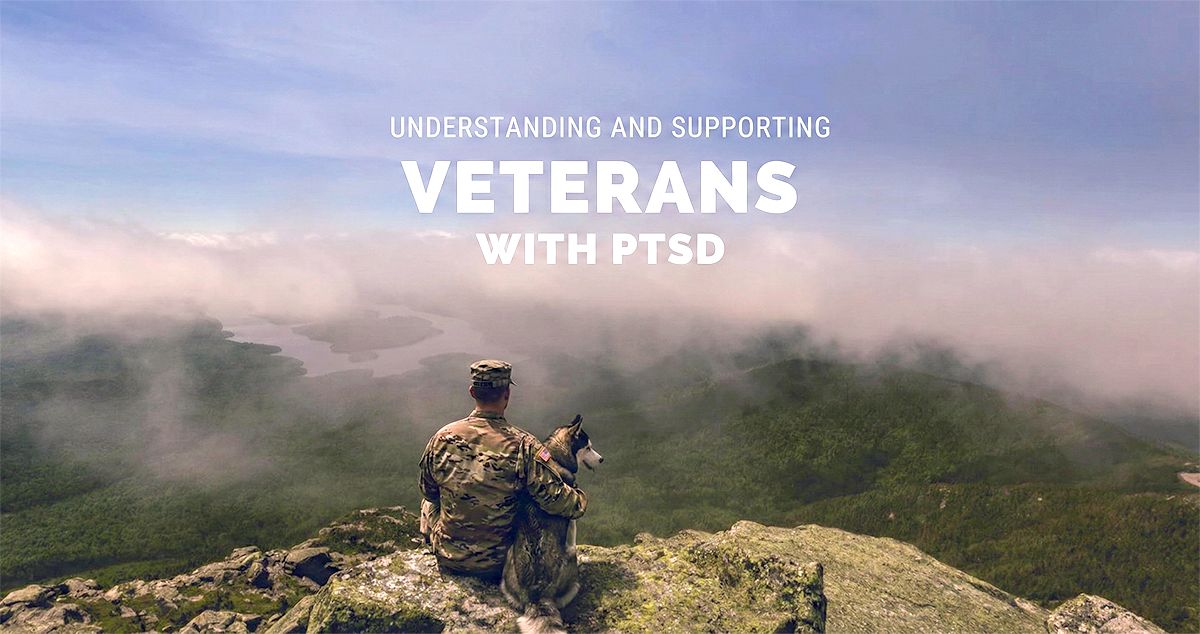
Honoring Our Veterans’ Struggles As we express our gratitude for the sacrifices made by our veterans, it’s crucial to acknowledge the invisible wounds many carry with them long after their service has ended. Post-traumatic stress disorder (PTSD) is a mental health condition that can affect anyone who has experienced a deeply traumatic event. While trauma is unfortunately common, affecting a significant portion of the population, veterans are particularly vulnerable. Studies show that 11-20% of veterans returning from Operation Iraqi Freedom and 15% of those who served in the Vietnam War experience PTSD. PTSD manifests in a variety of ways. Some veterans struggle with insomnia, nightmares, or difficulty “leaving the war behind.” Others may experience panic attacks in surprising situations, even those that aren’t inherently dangerous. Loud noises can trigger intense fear or anxiety. Anger, irritability, and difficulty concentrating are also common symptoms. In some cases, veterans may turn to alcohol or other substances to cope with their distress. Resources for Veterans and Their Loved Ones It’s our collective responsibility to support the veterans who have bravely served our nation. If you or someone you know is a veteran struggling with PTSD, please know that help is available. Here are some valuable resources: Return from War: This website, provided by the U.S. Department of Veterans Affairs, offers guidance and support for veterans reintegrating into civilian life after deployment. It covers topics such as relationships, work, and managing PTSD symptoms. Is it PTSD? This resource helps veterans and their loved ones recognize the signs and symptoms of PTSD. It includes self-assessment tools and information about seeking professional help. Treatment: This page provides comprehensive information about effective treatments for PTSD, including therapy and medication options. Get Help with VA PTSD Care, Benefits, or Claims: This resource helps veterans navigate the process of obtaining PTSD care, benefits and claims through the VA system. Remember, seeking help is a sign of strength, not weakness. With the right support and resources, veterans with PTSD can heal and live fulfilling lives.