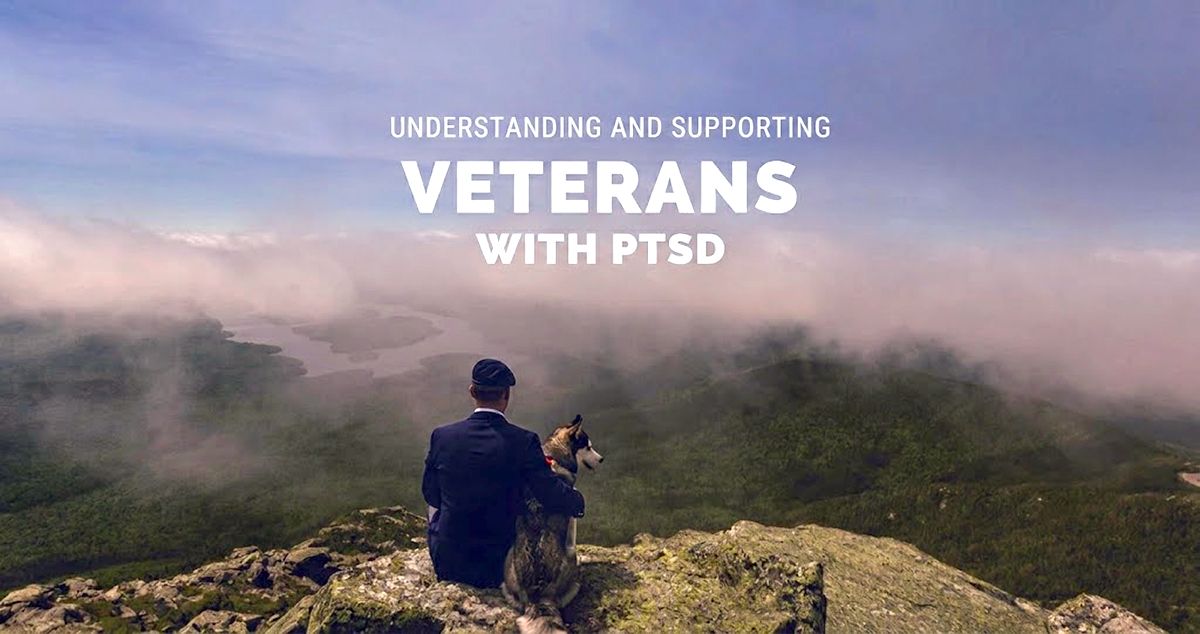
The transition from the Canadian Armed Forces (CAF) to civilian life is often more than a change in career; it is a profound navigation of “the invisible wound.” For many of our families, this journey involves managing an Operational Stress Injury (OSI), most commonly known as Post-Traumatic Stress Disorder (PTSD).
What is PTSD in a Service Context?
In the military, PTSD is a physical and psychological injury to the brain’s alarm system. During service, the brain is trained to maintain a state of high arousal to ensure survival. PTSD occurs when the brain’s “off switch” for this survival mode becomes damaged, leaving a veteran stuck in a state of high alert even after returning to the safety of home.
This often manifests as:
- Intrusive Memories: Flashbacks or vivid nightmares where the trauma feels present.
- Avoidance: Staying away from people, places, or conversations that serve as reminders of service.
- The “Always On” State: A constant tactical alertness, irritability, or difficulty sleeping.
- Mood Changes: Feelings of detachment from loved ones or a persistent sense of “the fog of service.”
Where to Seek Direct Help for Veterans
Navigating recovery requires professional advocacy and the comfort of connecting with those who truly understand the experience.
Professional Advocacy: Command Service Officers
The bureaucracy of disability claims can be a major trigger for those struggling with anxiety. Command Service Officers are trained professionals who act as your advocate at no cost. They understand the Veterans Well-being Act and assist with the preparation and submission of claims.
Reach the Command office at 1-888-261-2211 or the Esquimalt office at 1-866-381-3992.
Peer Connection: BSO Legion OSI
Isolation is a significant hurdle in recovery. The BSO Legion OSI initiative bridges that gap through lived experience.
- Buddy Check Coffee: Relaxed, veteran-led sessions that provide a safe space to share experiences.
- Operation VetBuild: A program focused on scale model-building to help with concentration and community bonding.
Support Designed for the Whole Family
PTSD ripples through the entire household. Specialized programs in our region now prioritize the well-being of the family unit as a whole.
Leading-Edge Care: Legion Veterans Village (LVV)
Located in Surrey, the Legion Veterans Village is a first-of-its-kind “Centre of Clinical Excellence.” It integrates advanced research and clinical trials for new PTSD treatments with supportive housing for those in recovery.
Wounded Warriors: COPE & Resiliency Programs
The COPE (Couples Overcoming PTSD Everyday) program is designed specifically for relationships. It helps couples learn regulation skills and understand how trauma functions within a partnership.
Critical Resources for Families
Immediate Crisis Support
If you are in immediate danger, call 9-1-1 or the 9-8-8 Suicide Crisis Helpline.
VAC Assistance Service
Call 1-800-268-7708 for 24/7 access to professional mental health support.
Family Information Line
Call 1-800-866-4546 for confidential guidance for the entire household.
Honour Ranch
A tranquil retreat near Kamloops offering strategies for managing Operational Stress Injuries.
Military Family Resource Centres (MFRC)
Local hubs providing the Veteran Family Program to help navigate life after a medical release.
Healing from an Operational Stress Injury is rarely a straight line, and it isn’t a journey that should be taken in isolation. While the weight of service can feel heavy, the strength of our community lies in the fact that we look out for our own. By reaching out to the Legion, connecting with an MFRC, or sitting down for a coffee with a fellow veteran who has walked this path, you are taking a vital step toward reclaiming peace for yourself and your family. Remember that seeking help is not a sign of a wound that won’t heal, but a tactical decision to strengthen the home front. We are here, the resources are ready, and you are never alone in this mission.
The first step—reaching out—is often the hardest. Whether through a local Branch or a specialized clinical center, our community is built on the promise that no one has to walk this path alone.
