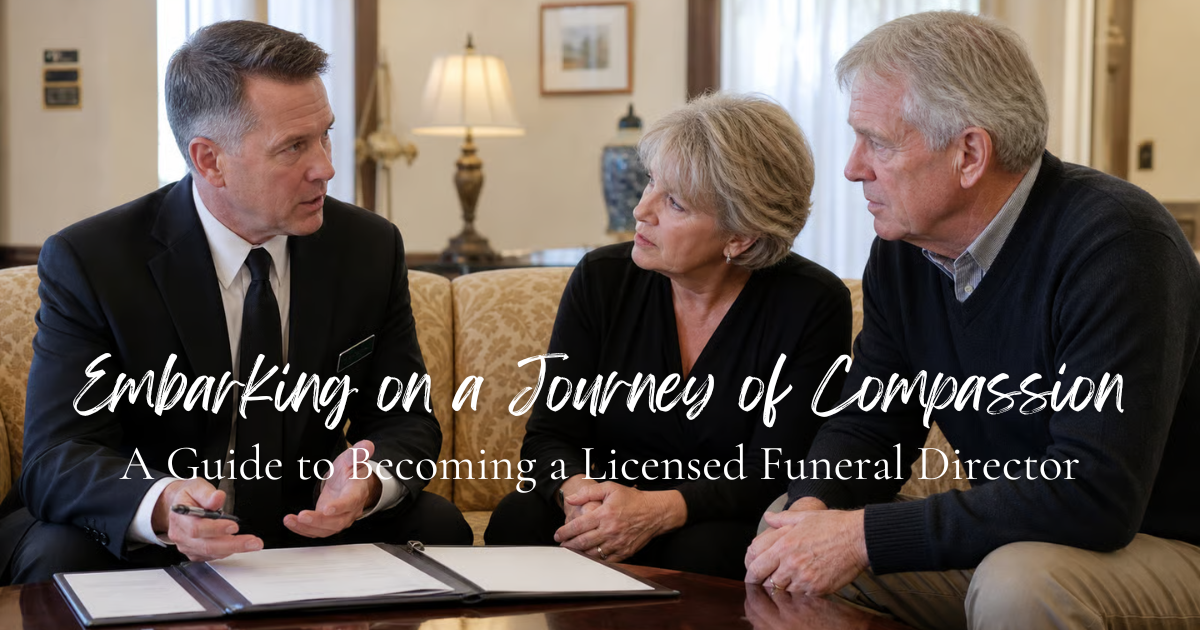
Embarking on a Journey of Compassion: A Guide to Becoming a Licensed Funeral Director
Becoming a licensed funeral director requires more than technical skills—it demands genuine empathy, calm communication, and quiet resilience to truly serve families during their most vulnerable moments. The path includes completing an accredited mortuary science degree, passing the National Board Examination, completing a supervised apprenticeship, and obtaining state licensure, but the most meaningful education happens through real experience in a funeral home alongside experienced directors.
Read Article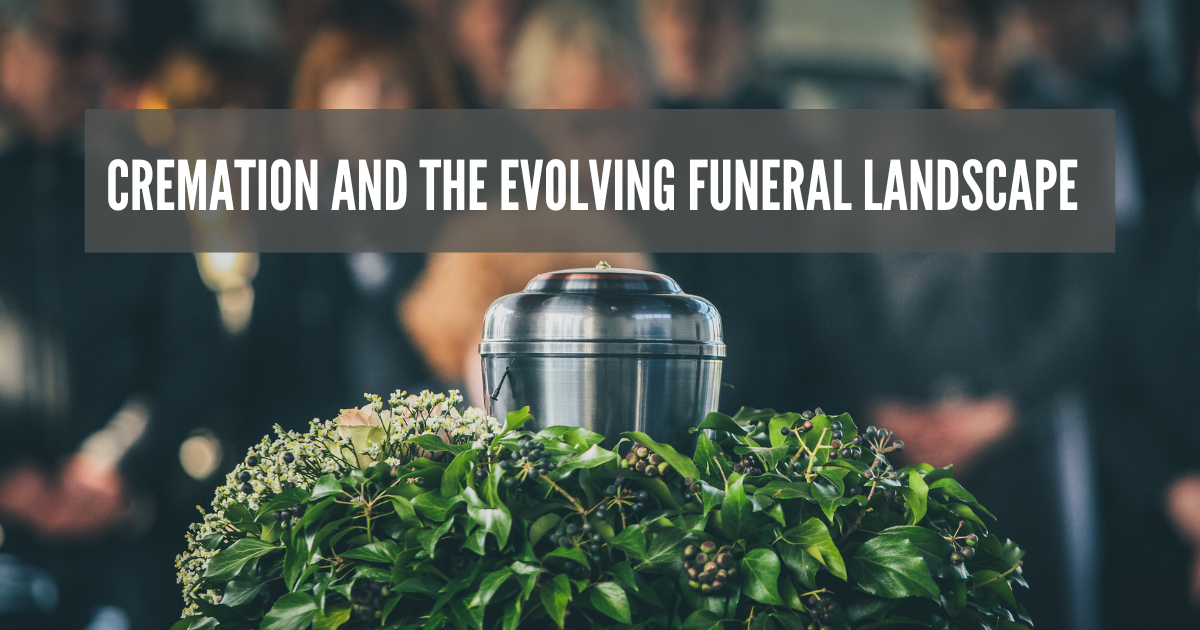 CREMATION
Cremation and the Evolving Funeral Landscape
With cremation offering more flexibility than traditional burials, funeral homes are adapting and new busines…
Read More →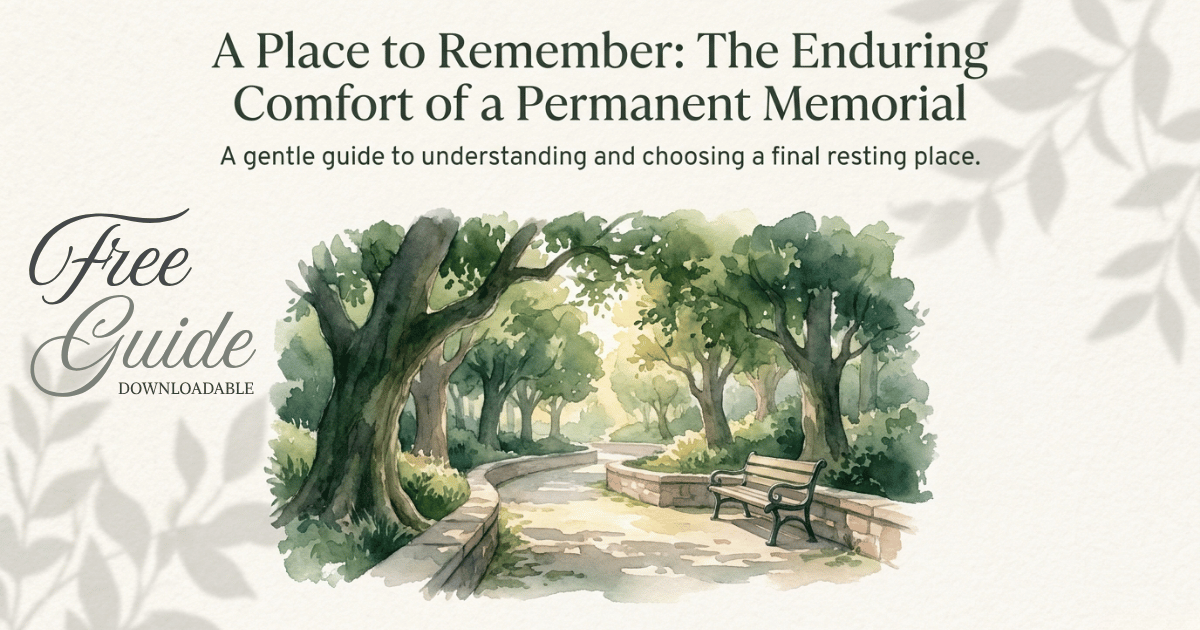 CEMETERY · Guide
A Place to Remember: The Enduring Comfort of a Permanent Memorial
A permanent memorial provides far more than a final resting place—it offers a sacred space where family and f…
Read More → GRIEF
GRIEF
Beyond Awareness: How to Truly Support Those Facing Breast Cancer
With breast cancer affecting nearly one in eight American women, most of us know someone navigating this diff…
Read More → EDUCATIONAL
How a Funeral Celebrant Can Help Your Family
When families don't have a church affiliation or religious leader to officiate, a funeral celebrant can serve…
Read More →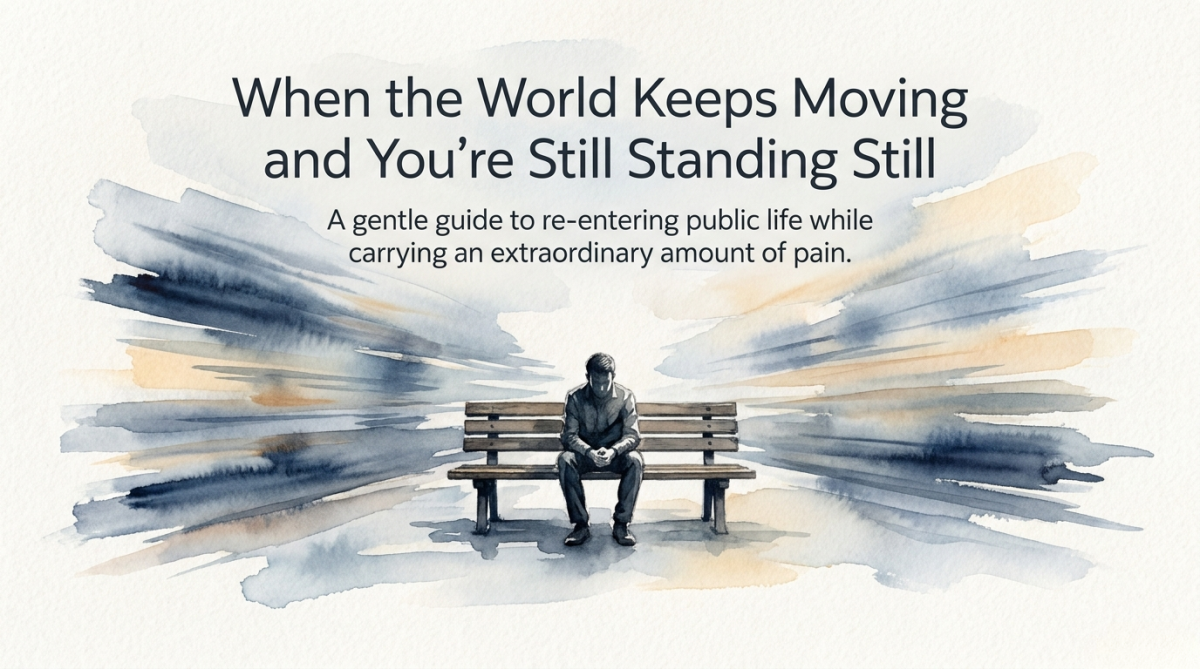 AFTERCARE · Guide
When the World Keeps Moving and You're Still Standing Still
Returning to work and public life after loss often happens before the emotional weight has lifted, leaving gr…
Read More →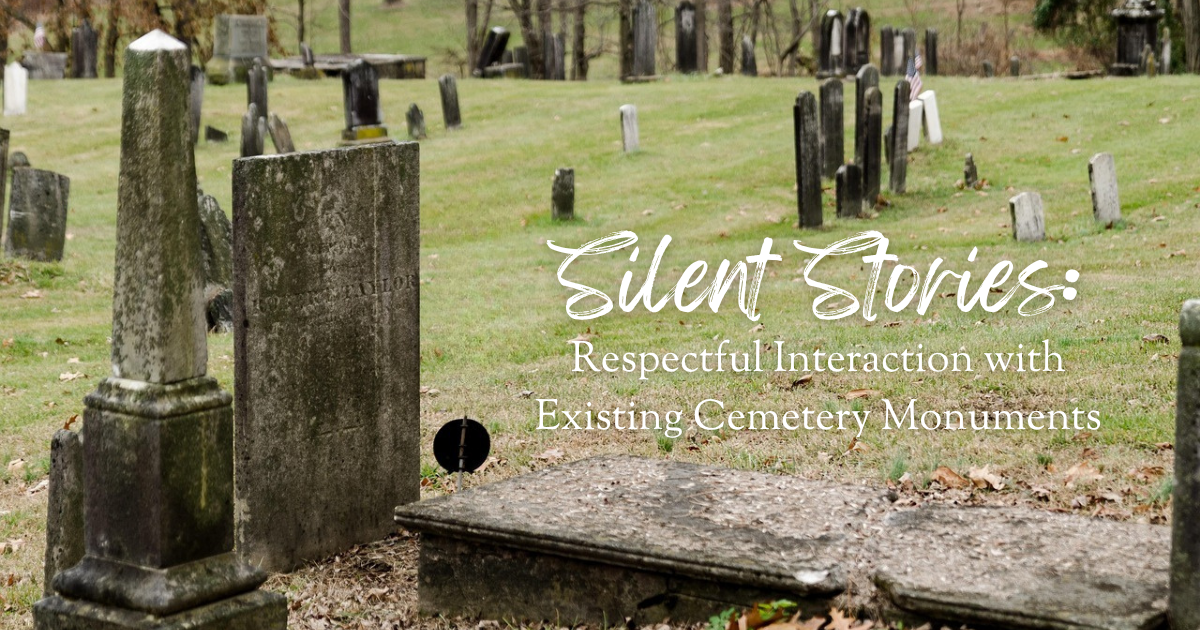 MONUMENTS
Silent Stories: Respectful Interaction with Existing Cemetery Monuments
Cemeteries are sacred spaces where monuments preserve the stories and memories of those who have passed, dese…
Read More → EDUCATIONAL
Seasons of Change: Navigating Grief and Self-Care in Autumn
Nearly one in four Americans experience significant bereavement each year, yet many grieve in isolation, and …
Read More → PREPLANNING · Guide
Deconstructing the Taboo
With cremation now chosen by nearly 60 percent of American families, understanding the real differences betwe…
Read More → CAREGIVERS
Easing the Transition: A Guide to Assisted Living for Families
Moving a loved one to assisted living is a significant life transition that benefits greatly from thoughtful …
Read More → GRIEF · Audio Short
When Suicide Leaves a Hole: Offering Comfort and Support
When someone loses a loved one to suicide, they face unique grief compounded by confusion and unanswered ques…
Read More → CREMATION
From Passing to Peace: What Determines When Cremation Can Take Place?
Cremation typically takes place within three to seven days after death in straightforward situations, though …
Read More → EDUCATIONAL
The Sentimental Archive
The Library of Congress reports that nearly 80% of home movies created before 2000 face permanent loss due to…
Read More →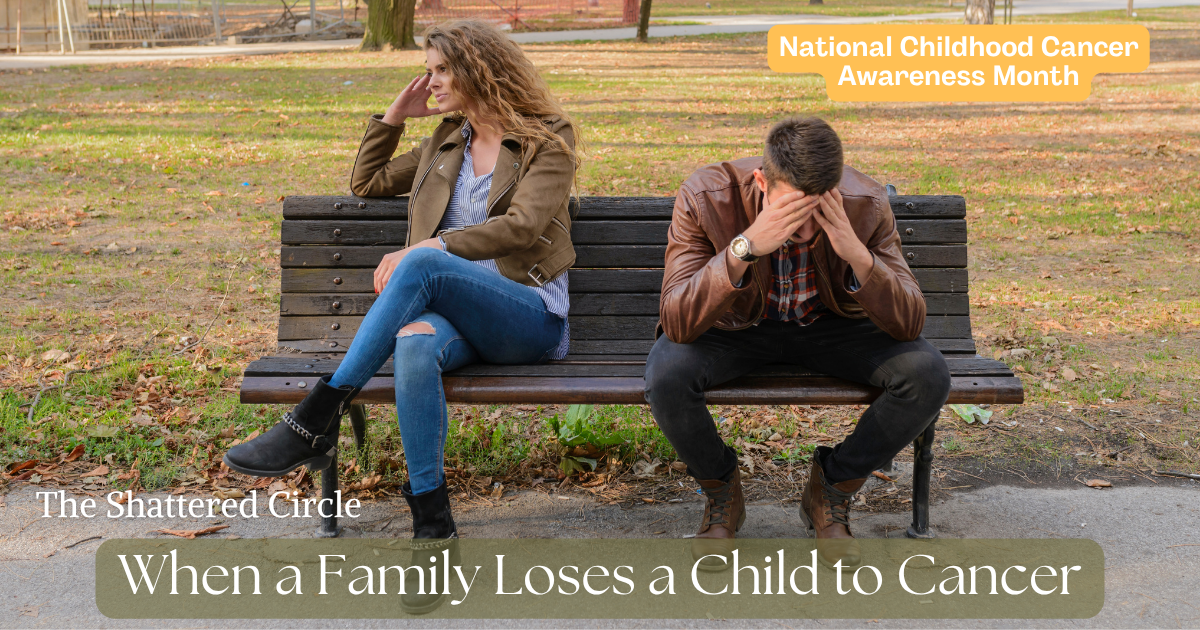 GRIEF
GRIEF
The Shattered Circle: When a Family Loses a Child to Cancer
Childhood cancer claims roughly 1,500 lives each year in the United States, and the grief that follows affect…
Read More → HOW TO · Guide
When a Loved Ones Dies Away From Home
When a loved one passes away far from home, arranging their return requires coordinating between two funeral …
Read More → HOSPICE
Hospice vs. Hospital Care: What Every Family Deserves to Know
Being in hospice care sounds very similar to being in the hospital to most people. If you have not had a pers…
Read More → EDUCATIONAL
How-to Use AI to Help Write a Meaningful Obituary
An obituary captures the essence of a life far beyond dates and milestones—it's a written celebration of the …
Read More → CREMATION · Audio Short
What Do I Do With My Loved One's Ashes?
As cremation becomes the choice of more than 63% of Americans, families often find themselves facing the tend…
Read More → GRIEF
GRIEF
A Time to Heal
Grief is a deeply personal response to loss that manifests differently for each person depending on your rela…
Read More → SENIORS · Guide
Documenting Your Life Story
Recording and sharing your life story—through written memoirs, audio and video memories, family trees, and do…
Read More → MEMORIALS
Incorporating Hobbies and Passions into Memorial Services
When planning a memorial for a loved one, one of the most meaningful ways to honor their life is by incorpora…
Read More → VETERANS
Understanding Grief for Military Families
Surviving members of a military family may find themselves feeling a range of differing emotions if their lov…
Read More → EDUCATIONAL
Got 20 Minutes? Create Your will!
Creating a will doesn't have to be complicated or expensive—you can establish a legal document in just twenty…
Read More →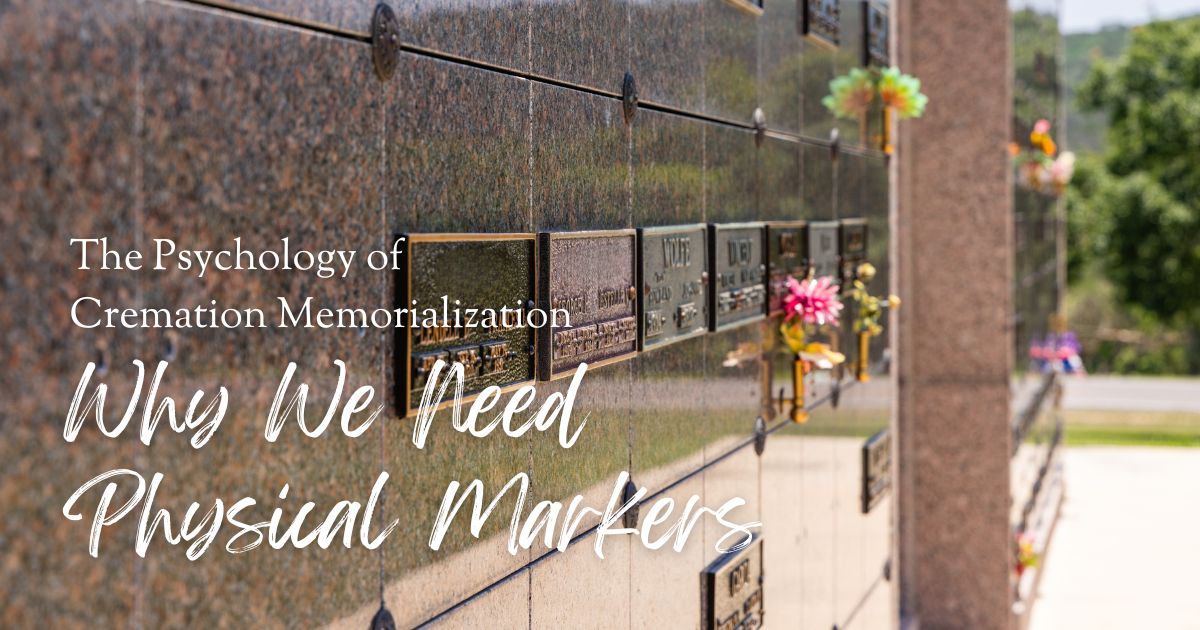 CREMATION
The Psychology of Cremation Memorialization: Why We Need Physical Markers
Monuments and markers are an important piece in the grieving process. Memorials provide a dedicated space for…
Read More → MONUMENTS · Guide
More Than a Stone: Designing a Meaningful Memorial That Honors a Life
Designing a cemetery monument is a profound act of love and healing that goes beyond marking dates; it is an …
Read More →